How to Choose the Right Pool Type for Your Home With a Professional Swimming Pool Builder
Understanding the right pool type for your home can be overwhelming, given the numerous options available. Pool preferences vary depending on architectural styles, personal preferences, and lifestyle needs. As a professional swimming pool builder, I have tailored a comprehensive guide to help you navigate through popular pool types and their unique benefits, ensuring you make an informed decision. When choosing a pool type, factors such as cost, maintenance, longevity, and the available space in your backyard can all have significant impacts. Explore this guide to find out which pool type aligns perfectly with your individual requirements and aesthetic preferences.
Inground Pools
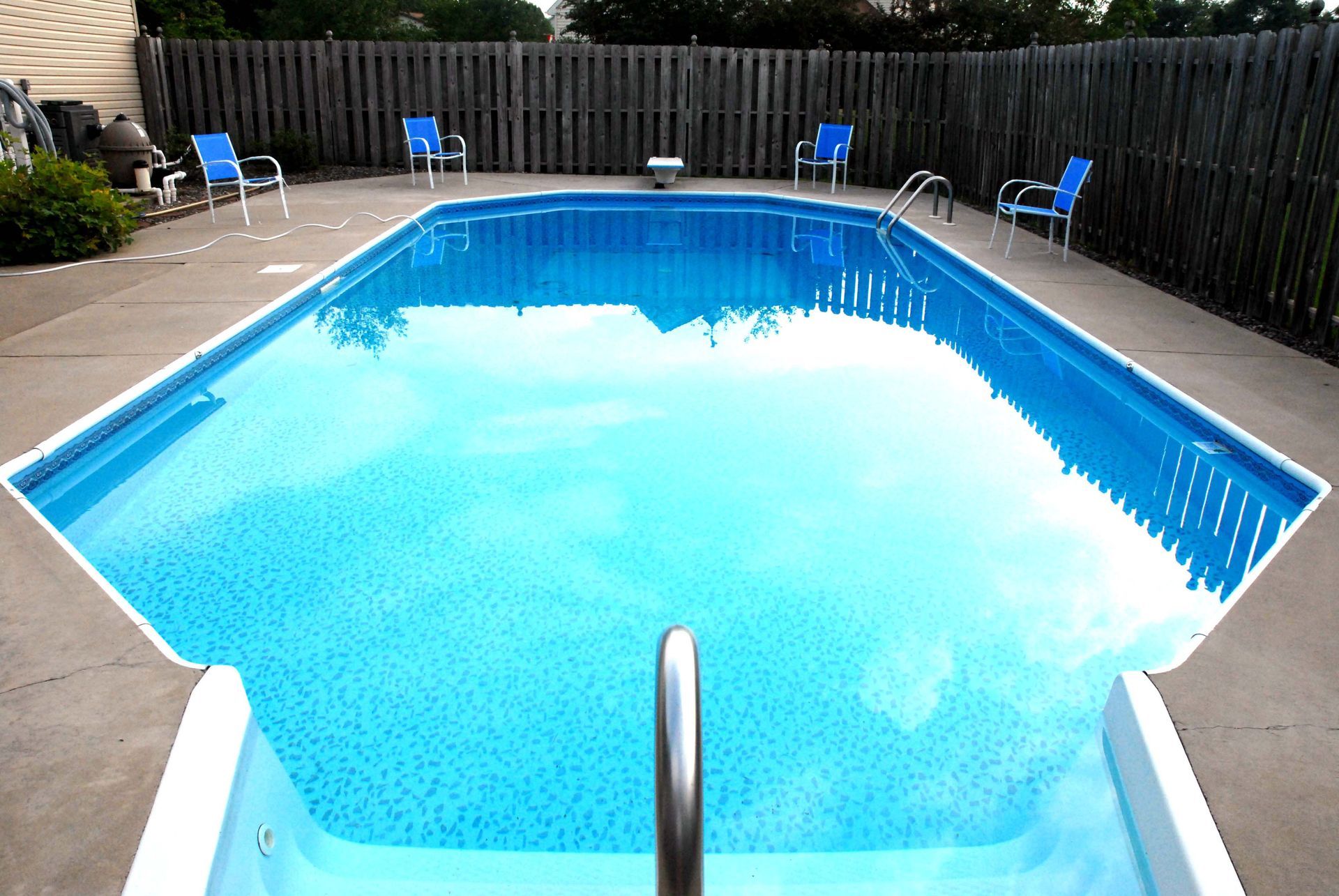
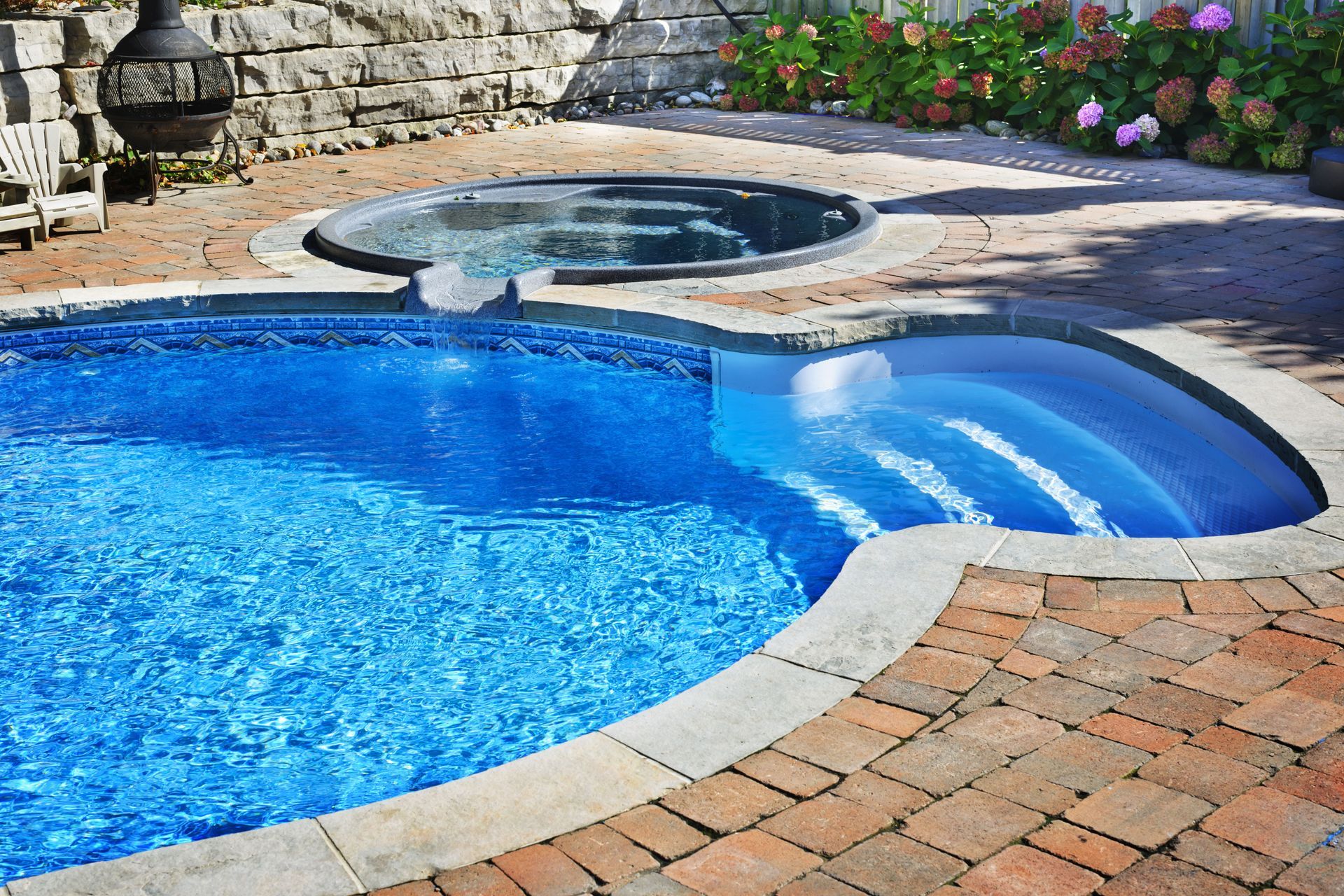
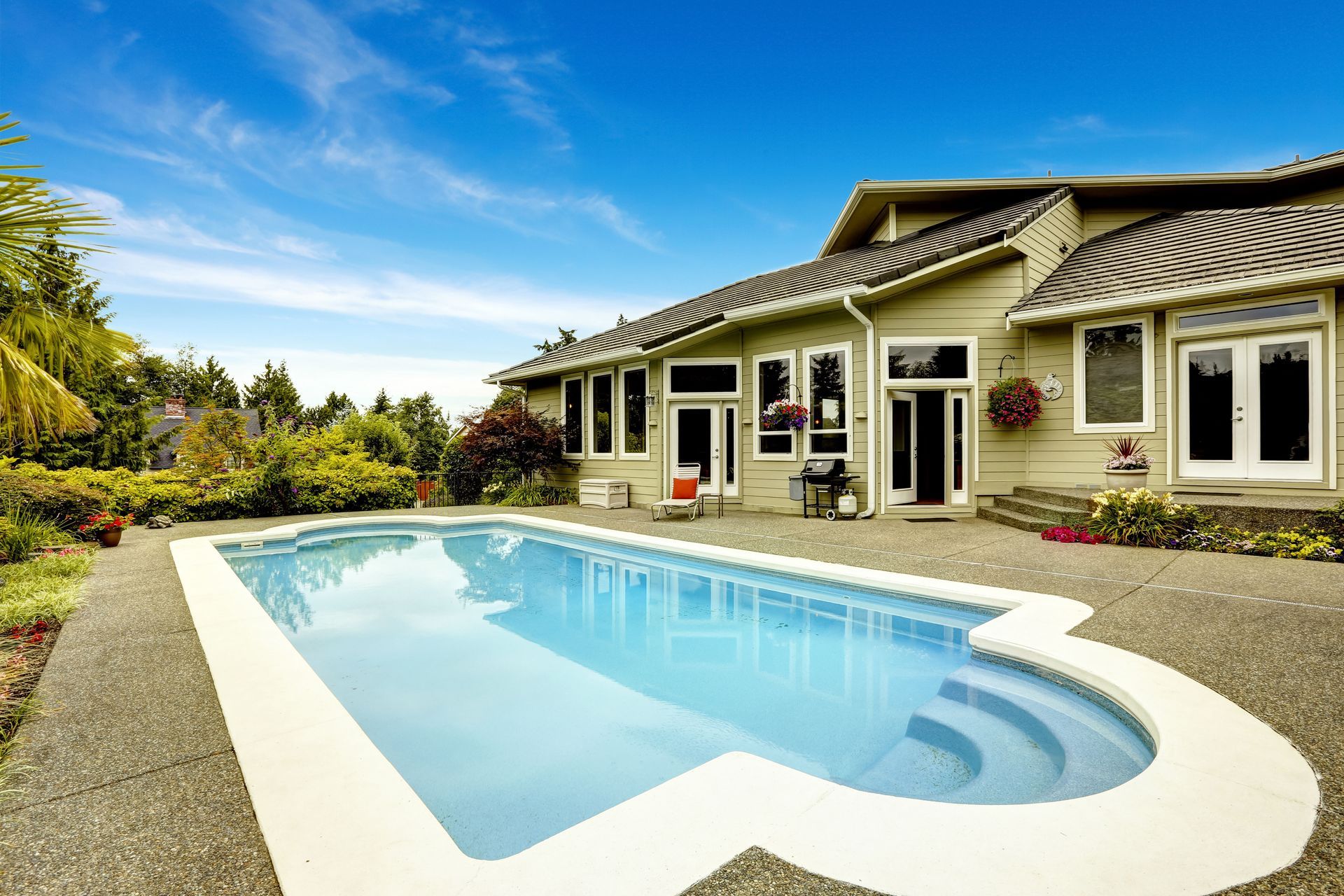
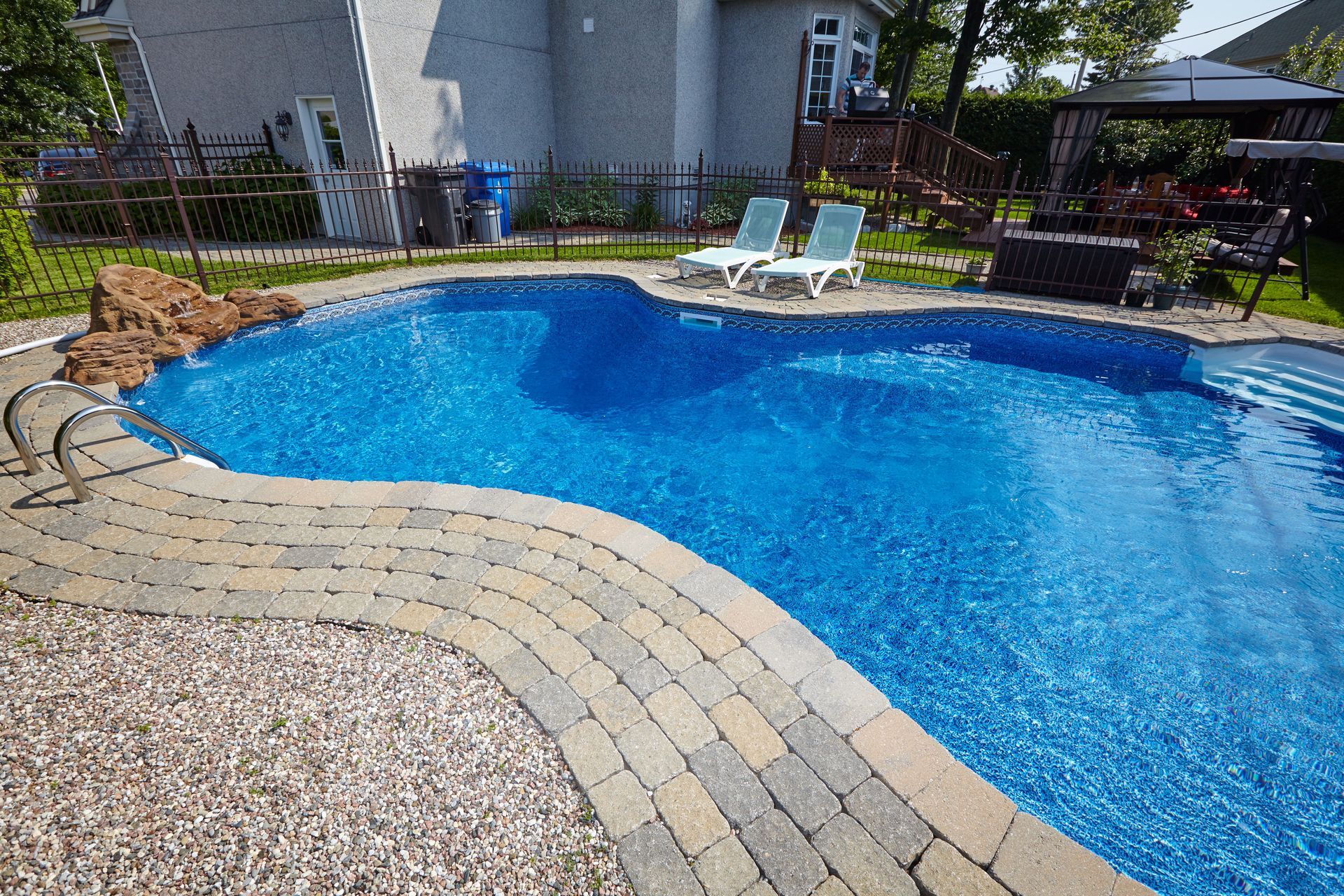
Inground pools are synonymous with luxury, offering a seamless blend with landscaping and home designs for an enhanced aesthetic appeal. These pools can significantly boost the value of your property, making them an excellent investment. Homeowners often choose inground pools for their longevity and customizable nature, allowing the addition of impressive features such as waterfalls, tanning ledges, and unique geometric shapes. The elegance of an inground pool is unmatched, creating a natural oasis that can serve as the centerpiece of your outdoor environment. Furthermore, an inground pool can provide a perfect space for recreational activities, fitness training, and relaxation, tailored to suit your needs.
When selecting materials for an inground pool, you typically have three primary options: concrete, fiberglass, and vinyl liners. Concrete pools are often a popular choice because of their durability and the flexibility they offer in terms of shape and size. According to RubyHome, concrete pools last the longest, usually up to 50 years or more, but they also cost the most to maintain. As experienced swimming pool builders, we've found that Fiberglass options provide a smooth finish and faster installation times, with lower maintenance requirements compared to concrete. Vinyl liners offer the most cost-efficient initial investment, though they may require more frequent replacement and maintenance over time.
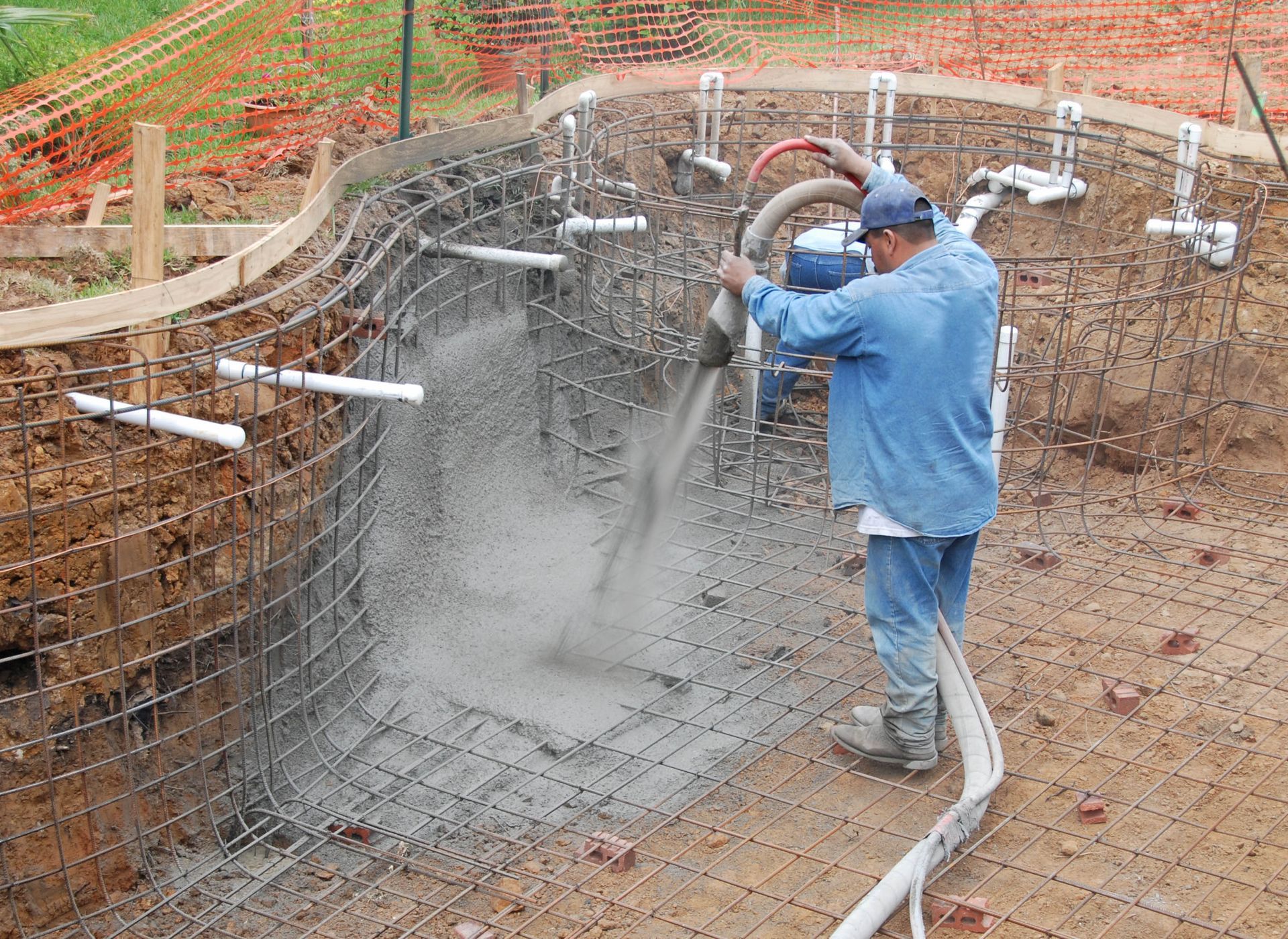
The construction of an in-ground pool involves several phases, beginning with design and site preparation. Professional builders work closely with homeowners to design a pool that harmonizes with the existing landscape. Excavation follows, shaping the area in accordance with the plan. The installation of supportive structures and plumbing systems is next, after which the chosen materials are applied for the pool's surface. Once the finishing touches are complete, including landscaping and the installation of additional features, your pool will be filled and ready for enjoyment.
One of the key benefits of in-ground pools is the ability to customize every aspect of the design. Whether opting for a classic rectangle or a unique freeform shape, homeowners can tailor their pool to fit their personal style and space constraints. Water features such as waterfalls, jets, and sun shelves can be incorporated to add functionality and aesthetic appeal. Additionally, finishing choices like tiles, coping, and lighting provide further opportunities for personalization. Customization further extends to surrounding elements such as decking materials, which can create a cohesive look and area for entertainment.
Above Ground Pools
Above ground pools appeal to many homeowners because of their cost-efficiency and convenience. These pools often require a smaller upfront investment compared to in-ground options, making them accessible to more budget-conscious individuals. Installation is generally simpler and faster, which means you can enjoy your pool sooner after purchase. Additionally, above ground pools can be a great choice for those in temporary living situations or renters, as they can be dismantled and moved if necessary. They also offer versatility in terms of location placement within the backyard.
Above ground pools are available in several materials, each offering unique properties to suit different preferences. Steel pools offer durability and can withstand harsh weather conditions, while aluminum options are noted for their resistance to corrosion and rust. Resin pools are becoming increasingly popular due to their rust-free nature and aesthetic versatility, available in a range of styles and finishes. Each material has specific advantages, and choosing the right one depends on your priorities regarding longevity, appearance, and budget. The market offers numerous options to ensure that your pool complements your lifestyle and outdoor area.
Installing an above-ground pool is a straightforward process that can often be completed over a weekend. After selecting your desired size and style, the initial step involves preparing and leveling the site where the pool will be located. Once the ground is prepared, the pool’s framework and walls can be assembled according to the manufacturer's instructions. Liner placement follows, along with the filling of water and the installation of essential filtration equipment. Finally, landscaping around the pool can enhance its visual integration with the surrounding yard.
Infinity Pools
The hallmark of infinity pools is their stunning visual illusion of water extending seamlessly into the horizon or a nearby body of water. This breathtaking effect makes infinity pools a top choice for homeowners looking to create a luxurious and sophisticated backyard retreat. Often designed to complement contemporary or modern architectural styles, these pools add an element of high-end elegance to any landscape. Infinity pools are particularly popular in locations with natural scenic views, providing an unparalleled seamless connection between the pool and the surrounding environment. Their unique design provides an exquisite setting for both relaxation and entertainment.
The success of an infinity pool largely depends on its site placement and the surrounding environmental features. Elevation is a critical factor, as a sloped or elevated terrain is ideal for achieving the desired vanishing edge effect. Natural landscapes such as hills, mountains, or oceanfront vistas can dramatically enhance the aesthetic impact of an infinity pool. It's essential to consult with experienced builders who can assess the site's topography, view corridors, and structural requirements. Proper planning and consideration of the surrounding environment ensure that an infinity pool becomes a harmonious extension of the natural landscape.
Building an infinity pool presents unique engineering challenges that require expert craftsmanship and precise calculations. The vanishing edge feature involves a specially designed weir wall and catch basin to collect overflow water, which is then pumped back into the pool. Structural stability is paramount, as the pool must withstand water pressure and environmental forces, particularly in elevated or sloped locations. Collaboration with structural engineers ensures that the construction adheres to safety standards and remains resilient over time. The complexity of these installations often translates to a longer construction timeline and requires experienced professionals to manage the process.
Saltwater Pools
Saltwater pools offer numerous health benefits and appeal to environmentally-conscious homeowners. Unlike traditional chlorine pools, saltwater pools result in softer water that is gentler on the skin and eyes, minimizing irritation caused by chloramines. The self-generating chlorine process reduces the need for chemical additives, contributing to a more eco-friendly pool environment. Additionally, saltwater pools produce fewer harsh odors, enhancing the overall swimming experience. For individuals with allergies or sensitivities, saltwater pools can offer a more pleasant and comfortable option for recreation and relaxation.
The mechanics of a saltwater pool involve the use of a salt chlorine generator, which converts dissolved salt into chlorine through a process called electrolysis. This process ensures a consistent and steady supply of chlorine, maintaining safe and sanitary swimming conditions. Unlike traditional chlorine pools that require frequent manual addition of chemicals, saltwater systems offer a more automated and self-sustaining approach. It's important to maintain an appropriate salt level within the pool to ensure the generator functions efficiently. Understanding the underlying mechanics of saltwater pools aids in their effective operation and management.
Choosing the right pool for your home depends on your budget, available space, maintenance preferences, and desired features. Whether you prefer a customizable in-ground pool, a convenient above-ground option, a luxurious infinity pool, or a saltwater system, understanding the benefits of each type can help you make the best decision for your lifestyle. Working with an experienced
swimming pool builder can help you plan a pool that complements your property and provides years of enjoyment. Contact Stevenson Pools today for more information.